Jensen Huang's Duck Demo Ignites Demand
Nvidia's CEO showcased Microduck robots at a Berlin conference, driving preorders past 20,000 units ahead of the holiday season.
By Ananya Gupta ·
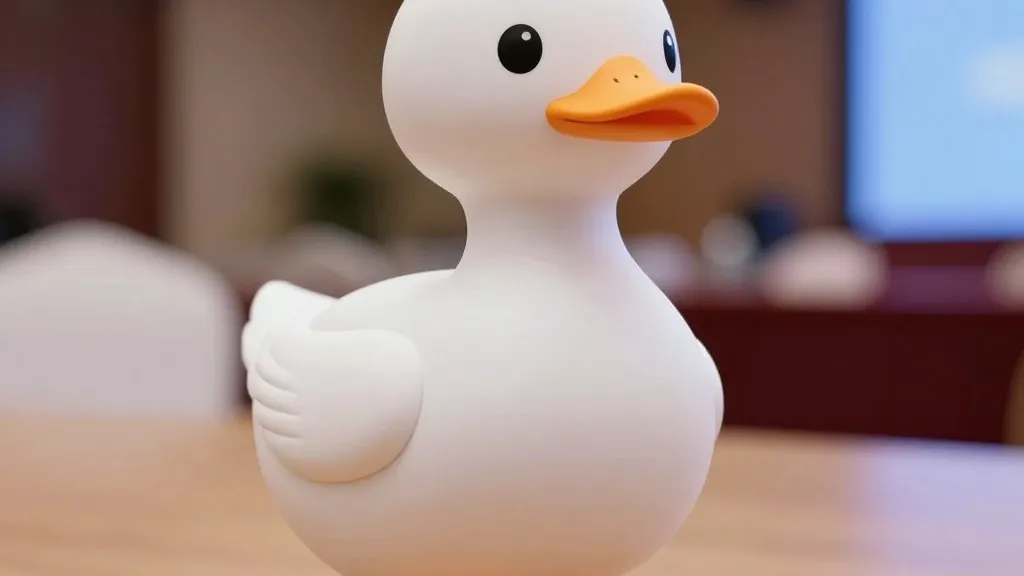
Nvidia CEO Jensen Huang recently captured global attention by personally interacting with a group of Microduck robots during the keynote address at the company's GTC Berlin conference. The demonstration, which featured the small machines performing synchronized movements and reacting to voice commands, quickly gained traction online, transforming a standard technical presentation into a viral cultural moment. This high-profile showcase serves as a significant marketing push for the company's latest consumer hardware, leveraging Huang's personal brand to generate immediate interest among tech enthusiasts and the general public alike.
The primary driver behind the sudden surge in consumer interest was the sheer charm of the devices as depicted in the widely shared video footage. In the clips, the Microducks are seen waddling around, stomping their feet, and emitting high-pitched sounds reminiscent of the droid R2-D2 from the Star Wars franchise. The robots also demonstrated specific programmed behaviors, including sitting, falling over to simulate napping, and executing somersaults upon receiving voice instructions. This blend of mechanical precision and playful, endearing behavior resonated strongly with viewers, creating a sense of immediate desire to own the product.
The commercial impact of the viral moment was rapid and substantial. Within roughly 24 hours of the keynote, preorders for the Microduck units exceeded 20,000, according to Clem Delangue of Hugging Face. Delangue took to social media to announce the milestone, highlighting the speed at which the market responded to the demonstration. This quick uptake suggests that the product has successfully crossed the threshold from a niche tech gadget to a mainstream consumer item, with significant inventory already committed before the physical units have even begun widespread distribution.
Timing plays a crucial role in the potential success of this product. The robots are scheduled for delivery in time for the Christmas holiday season, positioning them as a top contender for the most popular gift of the year. Delangue has expressed confidence that the Microducks could become the best-selling robot of the year. Notably, the promotional materials suggest that the target demographic is not exclusively children; the videos explicitly feature adults engaging with the devices, indicating that the product is designed to appeal to a broader audience that includes parents and tech hobbyists who may purchase them for themselves.
From a corporate structure perspective, the Microduck is an open-source device developed by Pollen Robotics. This company was acquired by Hugging Face in 2025, which itself was purchased by Nvidia in September. Consequently, the Microduck is now officially part of the Nvidia portfolio. This acquisition chain places the toy within the ecosystem of one of the world's largest technology firms, potentially providing it with greater manufacturing scale and distribution capabilities than it might have had as an independent startup. It is worth noting that this is the second robot product from the Hugging Face lineup, following the earlier release of the Reachy Mini, which also received positive reception for its design.
The technical foundation of the Microduck relies heavily on Nvidia's proprietary technology stack. The robots were trained using simulations where they learned basic motor skills, such as walking, sitting, and standing, which are pre-loaded into the devices at the time of shipment. However, the open-source nature of the platform allows for greater user customization. Pollen Robotics has stated that owners can teach their specific units new tricks and behaviors, and then share these custom programs with the wider community. This feature encourages a collaborative ecosystem where users can enhance the capabilities of their devices over time, adding value beyond the initial purchase.
The release of the Microduck arrives during a particularly complex period for the artificial intelligence industry. Earlier this week, the sector faced significant scrutiny as multiple cyberattacks were attributed to AI involvement, leading to what some described as a dark period for public perception. Against this backdrop, the lighthearted and whimsical nature of the Microduck demonstration provided a stark contrast. The video served as a palate cleanser for an industry that has been dealing with serious security concerns, reminding observers that AI technology can also be entertaining and accessible, not just powerful or problematic. The positive reception of the toy suggests that consumers are still eager to engage with AI in a friendly, low-stakes environment.
Looking ahead, the success of the Microduck could signal a shift in how Nvidia approaches consumer-facing hardware. While the company is traditionally known for its high-performance graphics processing units and enterprise solutions, the acquisition of Hugging Face and the subsequent release of these robots indicate a strategic move into the personal tech space. The ability to train and share custom behaviors suggests that the company is building a platform rather than just a product. If the Microduck maintains its momentum, it could establish a new benchmark for AI-driven consumer robots, potentially paving the way for more sophisticated devices that blend utility with entertainment in the years to come.
Source: TechCrunch